


.jpg)
.jpg)
.jpg)
.jpg)


.svg)


.svg)
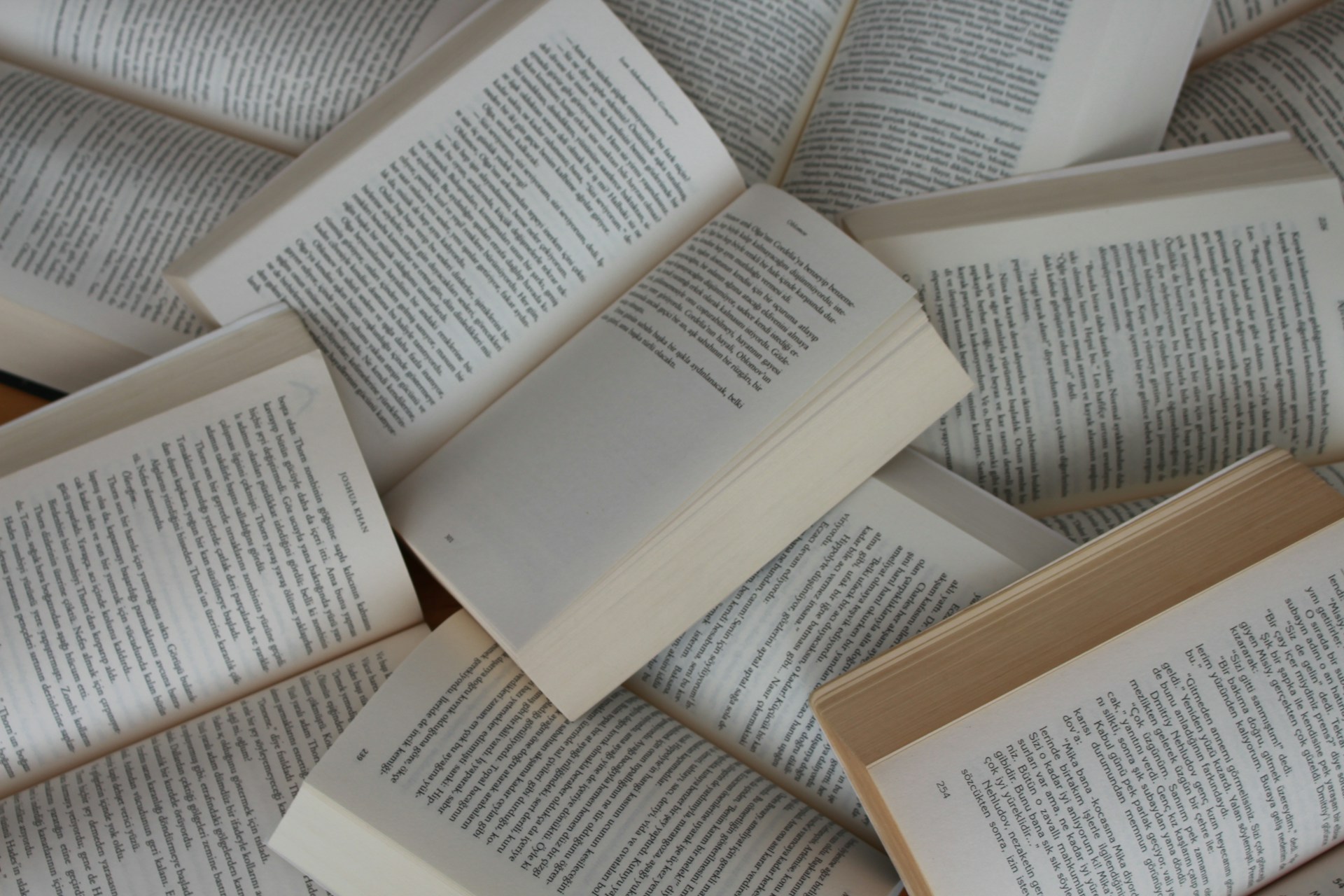
The act of book banning–the deliberate restriction of texts–has surged across the United States, with thousands of works of literature that serve to challenge dominant ideologies or represent marginalized voices being outlawed. While often framed as content oversight or protection, widespread bans threaten constitutional principles, intellectual freedom, and the democratic exchange of ideas–breaking the ideals upon which America was founded.
Article content
By Olga Makarova
1984 by George Orwell; Fahrenheit 451 by Ray Bradbury; Brave New World by Aldous Huxley (Banned Books Master List)–novels that offer prophetic critiques of censorship, ultimately becoming victims of the very suppression they sought to expose.
In recent years, book banning–the deliberate restriction of texts deemed “subversive”–has resurfaced across the United States, with PEN America reporting nearly 23,000 instances of bans in public schools since 2023 alone (Book bans). Narratives serve as beacons of imagination and knowledge, preserving cultural memory while addressing society's most complex questions. They illuminate ideals that challenge and expand the mind, allowing readers to see the world through lenses they might never encounter otherwise. As Barbara Tuchman stated, “books are the carriers of civilization,” as without them, “thought and speculation [are] at a standstill (Tuchman).” When access is restricted, the flow of ideas is paralyzed, silencing entire perspectives (particularly those of marginalized communities) and weakening the democratic function of public education. This recurring struggle over access to ideas underscores the stakes of book banning in contemporary days and frames the central question: What are the most effective ways to respond to the rise of book banning in the United States? Book banning in the United States operates as a politically motivated tool to reinforce dominant ideologies, limit dissenting perspectives, and control access to marginalized voices; while some oversight of content may be reasonable, the perpetuating trend of widespread bans threatens intellectual freedom, representation, and the democratic exchange of ideas.
Ideology
In the United States, the act of book banning often appears to be a calculated move on a political chessboard, where ideas themselves become pieces to be controlled or suppressed. Marcelo Gonçalves, a PhD candidate in Public Policy at Duke University, together with his colleagues Isabelle Langrock (PhD for communications at University of Pennsylvania), Jack LaViolette (PhD for sociology at Columbia University), and Katie Spoon (PhD in computer science at the University of Colorado Boulder), examine the political dynamics of book banning, asserting that “republican strongholds were not likely to ban books while counties with increasingly precarious conservative majorities were (Gonçalves),” highlighting that book bans are more prevalent in areas where conservative political power is not only present but perceived as vulnerable. This suggests that book banning may serve as a strategic response to shifting political power, rather than merely reflecting a partisan majority. Even when Republican candidates maintain a majority of “over 50% of votes (Gonçalves),” bans are more frequent when Democratic support has increased, suggesting that book banning serves as a political strategy to mobilize conservative voters and reinforce ideological dominance.
Constitution
Book banning reshapes the landscape of knowledge, determining which ideas are allowed to flourish and which are forced into silence. By removing books that challenged prevailing norms or represent marginalized voices, these bans directly interfere with the principles established under the Constitution. Caroline Puryear, in the Houston Law Review, a peer-reviewed journal published by the University of Houston Law Center, discusses how book banning in U.S public libraries violates constitutional rights, specifically the First and
Fourteenth Amendments, by restricting access to diverse ideas and limiting citizens' freedom of speech and equal protection under the law (Puryear). In examining the legal implications of book banning, Puryear addresses the case of the Board of Education v. Pico, noting that the Supreme Court ruled that “the First Amendment limits the discretion of school boards to remove books from school library shelves simply because they dislike the ideas contained in those books (Puryear).” Additionally, Puryear emphasizes how book baning often targets ideas, not just content, violating first Amendment principles as, in the Little v. Lano case, “the plaintiffs [contended] that the weeding of the seventeen ‘inappropriate’ books was intended to ‘prevent access to viewpoints and content to which they objected’ and therefore, was beyond the scope of what the court’s understanding of discretion allowed (Puryear).” This analysis shows that book banning raises legal and societal concerns in violating constitutional principles, as it restricts access to chosen ideas and unjustly targets certain viewpoints, preventing individuals from freely exploring information and forming their own opinions.
In addressing book banning, schools and communities can implement transparent review policies, involve diverse stakeholders in decision-making, and prioritise intellectual freedom over political pressures. Ultimately, encouraging dialogue on controversial texts, offering guidance instead of bans, and supporting marginalised perspectives helps students build critical thinking and empathy, while safeguarding democratic principles and the transformative power of literature.
Acknowledgement
The Institute for Youth in Policy would like to acknowledge Kayleen Kim for editing this op-ed.
References
Banned books master list. Accessed March 14, 2026. https://www.vonnegutlibrary.org/wp-content/uploads/2010/10/Banned-Books-Master-List.pdf
“Book Bans.” PEN America, PEN America, 3 Mar. 2026, pen.org/book-bans/. Gonçalves, Marcelo, et al. Book bans in political context: Evidence from US Schools | PNAS Nexus | Oxford Academic. Accessed March 14, 2026. https://academic.oup.com/pnasnexus/article/3/6/pgae197/7689238.
Puryear, Caroline. “Books for Me but Not for Thee: How Modern Book Banning in Public Libraries Will Broadly Disenfranchise First Amendment Liberties: Published in Houston Law Review.” Houston Law Review, December 2, 2024. http://houstonlawreview.org/article/126277-books-for-me-but-not-for-thee-how-mode rn-book-banning-in-public-libraries-will-broadly-disenfranchise-first-amendment-libe rties.
Tuchman, Barbara W. The Book: “A Lecture Sponsored by the Library of Congress Center for the Book.” Washington, DC: Library of Congress, 1980.


.jpg)
