


.jpg)
.jpg)
.jpg)
.jpg)


.svg)


.svg)
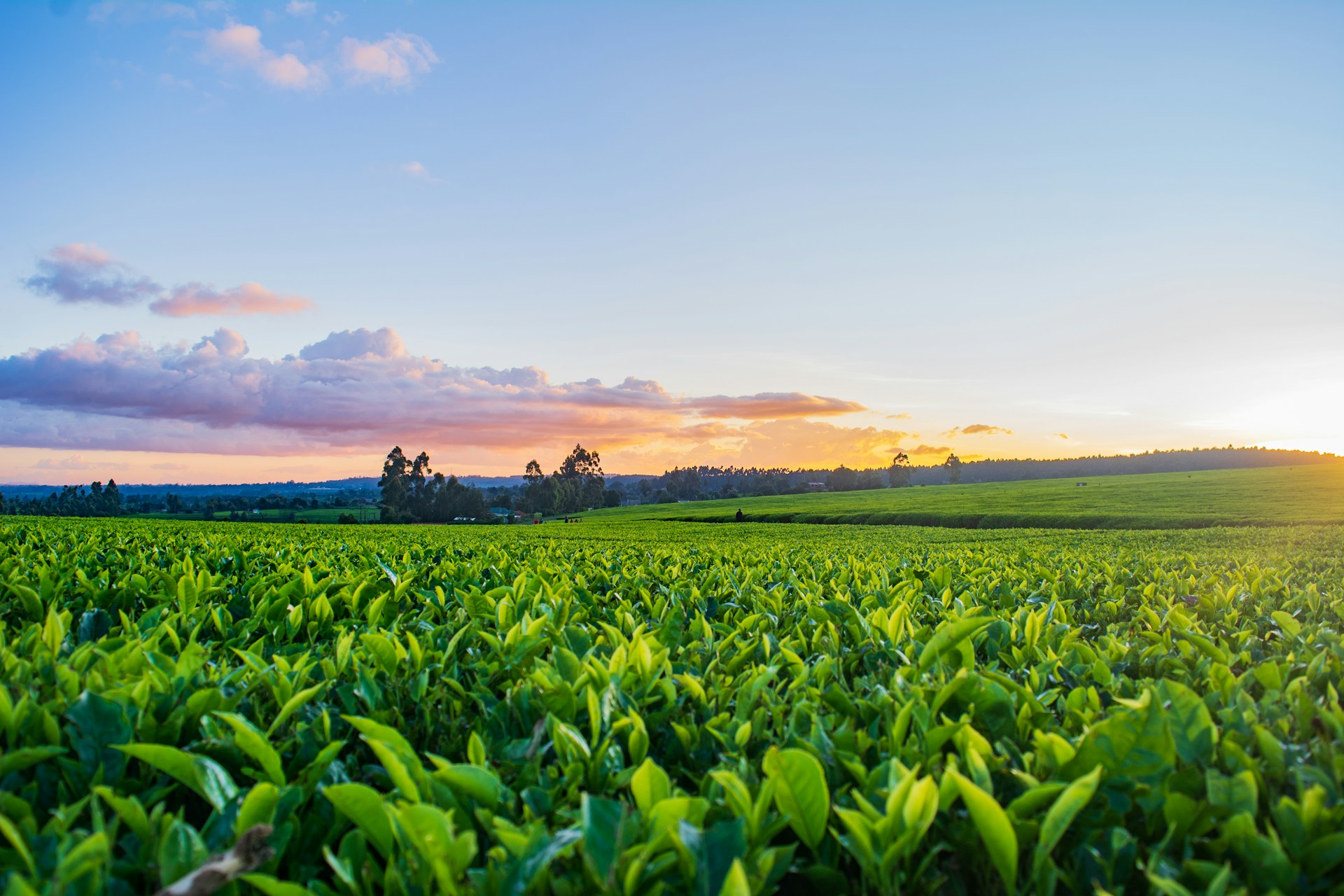
Growing food on campus, right next to where it’s eaten, changes what students pick and what ends up in the trash. This op-ed argues that even small, on-site growing systems can lower costs and make school meals something students actually choose.
Article content
Before school, we pull lettuce straight from the tower near the cafeteria, carry it about ten feet into the food prep area, chop it, rinse it, put it in a compostable container, and add toppings. The dressing comes from the culinary class. It's simple. Nothing about it looks like a system.
The first time we did it, I wasn't sure anyone would care. We spent eight months working through school policies to put up towers and integrate into the lunch program, and somewhere along the way, we stopped asking if it would actually work. We were just trying to get it running.
The cafeteria ran out of 50 salads in fifteen minutes.
We only serve on Tuesdays and Thursdays, and people show up early to make sure they get one. Because it's fresh, they watched it grow on their way to class.
Most of the food in that same line traveled hundreds of miles to get there. Picked days or weeks ago, moved through trucks and storage, priced higher at every step. By the time it lands on a tray, it's older, more expensive, and easier to throw away.
This moved ten feet.
That distance is the difference between food that gets eaten and food that gets thrown away.
Around 30 million students rely on school lunch every day in America, for a system that big, distance matters. Schools are working with fixed budgets while transportation and food costs keep rising. What shows up on trays reflects that.
We're not just paying for the food. We're paying for the miles.
A head of lettuce moves through growers, distributors, trucks, and storage. Every mile adds cost. Much of that food ends up uneaten.
That's where the system breaks down. We keep trying to fix school lunch by changing what's on the menu. But we haven't changed how far the food has to go to get there.
What we built is small. It doesn't try to replace the whole system.
Seeds start in trays for the first four weeks, then move into vertical aeroponic towers near the cafeteria. Another four weeks, and they're ready. Not all at once. Staggered. Every week, something is ready to harvest. Students check water levels, nutrients, harvest, and prepare salads before first period. No truck. No storage gap. No delay.
Food is picked hours before it's eaten.
Because the water stays inside the system and gets reused, we use a fraction of what it would take to grow the same amount in soil. In a state where water matters, that adds up.
That changes behavior.
Students who usually skip what's offered show up. They come earlier. They choose it. And they finish it.
It doesn't have to be everything to matter.
If a school can grow even 15 or 20 percent of its own fresh food, right where students already are, the system begins to shift. Less distance. Less waste. Less money tied to transportation. You can see it in what doesn't get thrown away.
It also changes what school feels like. Students aren't just being told about sustainability. They're running something. They check nutrient levels, adjust inputs, and see the results a few hours later on a tray.
We're starting to expand this model to the University of California, Santa Barbara. Near dorms and common spaces, the same towers are going in. Students will walk past them every day and see it working.
Our food systems were built on cheap fuel and distance that didn't seem to matter. That's changing. Costs rise. Delays happen. Quality drops.
School lunch is one place where that shows up first.
The Plant-Based Meals in Schools Act improves what we serve. It should also invest in where food starts by funding small, on-site growing systems as part of school infrastructure, shortening the path between where food is grown and where it's eaten.
It doesn't have to be everything. A small shift can change what gets eaten and what gets thrown away.
On Tuesdays and Thursdays, the lunch line forms a little earlier. Students who usually skip the cafeteria show up. They don't ask where the food came from. They see it growing from the line they're standing in.
That's the difference.
When food starts closer to where it's eaten, it changes whether people want it in the first place. It turns out ten feet is enough.
Acknowledgement
The Institute for Youth in Policy would like to acknowledge Adwaya Yesare for editing this op-ed.


.jpg)
