


.jpg)
.jpg)
.jpg)
.jpg)


.svg)

Climate Health Literacy: Building a Resilient and Informed Healthcare System in the Face of Climate Change
Capstone Project
This policy brief evaluates the urgent need to integrate climate health literacy into medical and public health education.
Environmental Policy Analyst
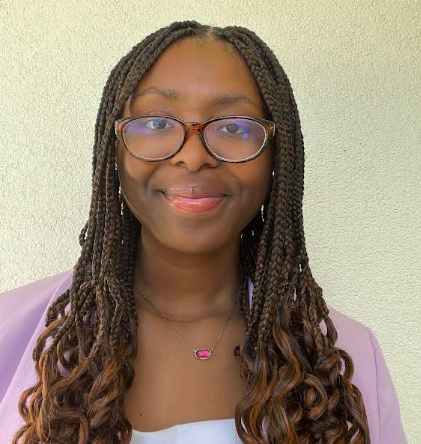
Orlyola Tantchou is an Environmental Policy Analyst and 2025 Spring Fellow for YIP, from El Paso, Texas. She is a passionate advocate for climate education and environmental justice, with a strong commitment to connecting climate awareness to healthcare equity and environmental racism. As the author of The Wildlife Warriors: Saving Their Habitats and co-founder of the nonprofit No Limit International, she leads youth-focused climate literacy initiatives that empower elementary students to protect their planet. She's excited to contribute to YIP and learn more about global environmental issues in different sectors!


.jpg)
.svg)
.jpg)
.jpg)

