


.jpg)
.jpg)
.jpg)
.jpg)


.svg)


.svg)
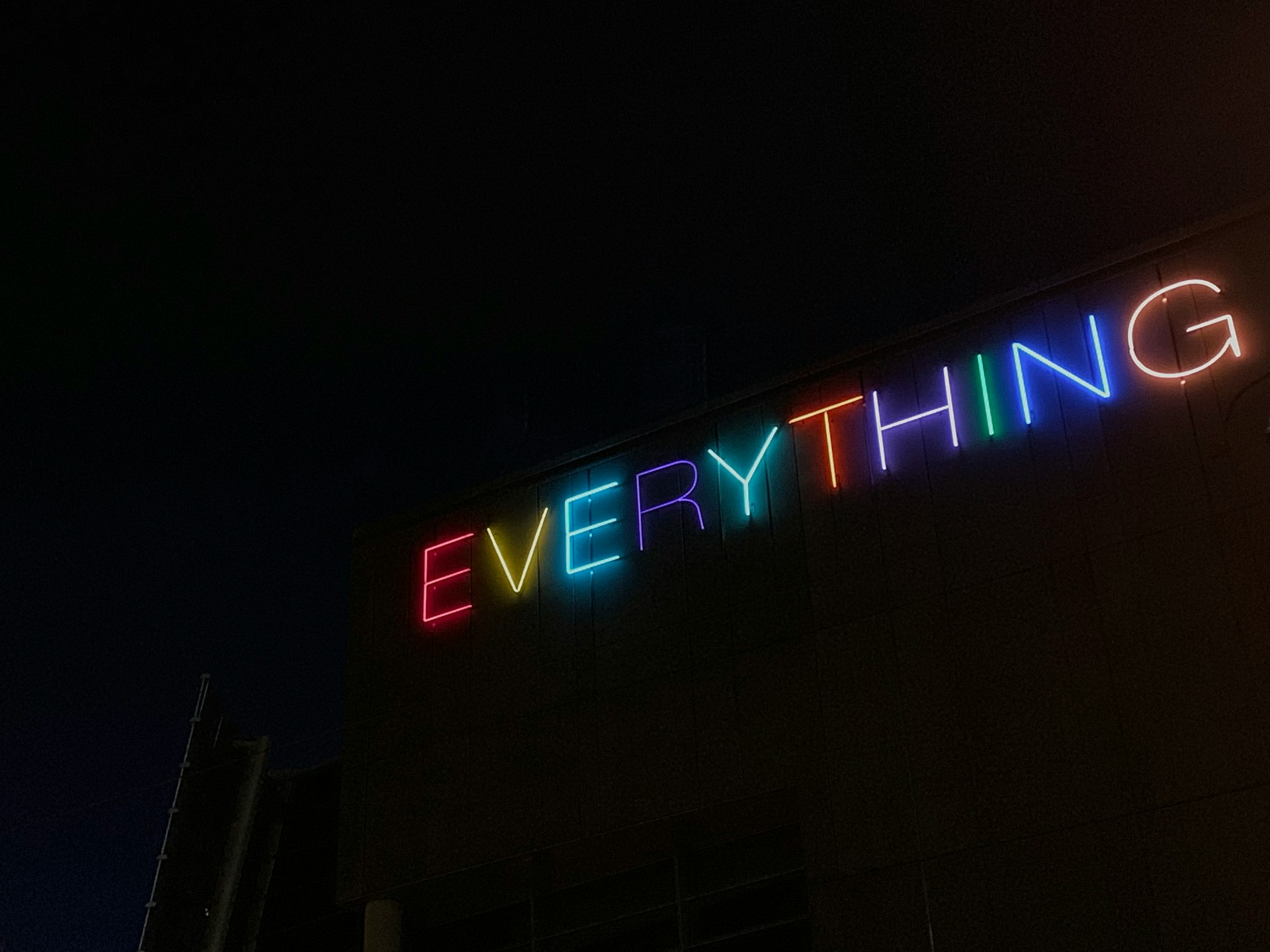
Films are works of art, and this psychological comedy is no different. "Everything is Illuminated" shines a light on a story of the past, future, and the gift that is life.
Article content
The film Everything Is Illuminated is a multivalenced classic following Jonathan, a young Jewish American who travels to Ukraine to find the woman who may have saved his grandfather during the Holocaust. Jonathan seeks help from his eccentric translator Alex whose grandfather Eli is intertwined with the same history albeit in a very different way from Jonathan’s family.
Though formally categorized as a comedy action movie, Everything Is Illuminated uses humor to portray the coexistence of laughter and grief in confronting our shared past. Some people fear forgetting important memories: Jonathan, for instance, collects objects and clues throughout his life, including on his grandfather’s deathbed. Others fear remembering: Eli spends decades carrying the unbearable memories of witnessing the destruction of his hometown and surviving amidst ruins.
By the end of the film, however, both characters conclude their journey of discovery with much more than what they started, with Jonathan finally piecing together his family mystery and Eli sharing the memories he had long kept buried to preserve the memory of his village.
In our lives, we inadvertently inherit stories, beliefs, and wounds from those before us. However, we can choose to understand our history and decide what we pass on and what we leave behind.
In fact, history at its core is an inherited and reinterpreted cycle. Modern politics reiterates past wounds and inherited identities through violence—such as the Israeli-Palestinian war.
Outpacing the set rhythm, however, involves much more self-reflection and sacrifice than repeating the beat. For instance, Alex’s grandfather’s eventual suicide in the film reflects the crushing weight of decades of guilt and trauma carried since the war. In contrast, Eli, as the sole survivor of Trachimbrod, serves as the living memory of a community that otherwise would have disappeared entirely. Together, their stories demonstrate that the Holocaust continued to shape lives long after the violence ended, leaving both survivors and witnesses burdened by its legacy.
Accustomed violence and hatred never leave any true winners standing. However, through our memories, we give ourselves the power to forgive but not forget, to lead but not to corrupt, and ultimately, to wield the future based on lessons from the past.
Acknowledgement
The Institute for Youth in Policy wishes to acknowledge Donna Kim for editing this policy op-ed.
Image Credit
Feng, Jennifer. Powered-on Assorted-Color "Everything" Neon Signage. July 31, 2019. Photograph. Unsplash. https://unsplash.com/photos/powered-on-assorted-color-everything-neon-signage-zQ9M6Rjn4m0.


.jpg)
