


.jpg)
.jpg)
.jpg)
.jpg)


.svg)


.svg)
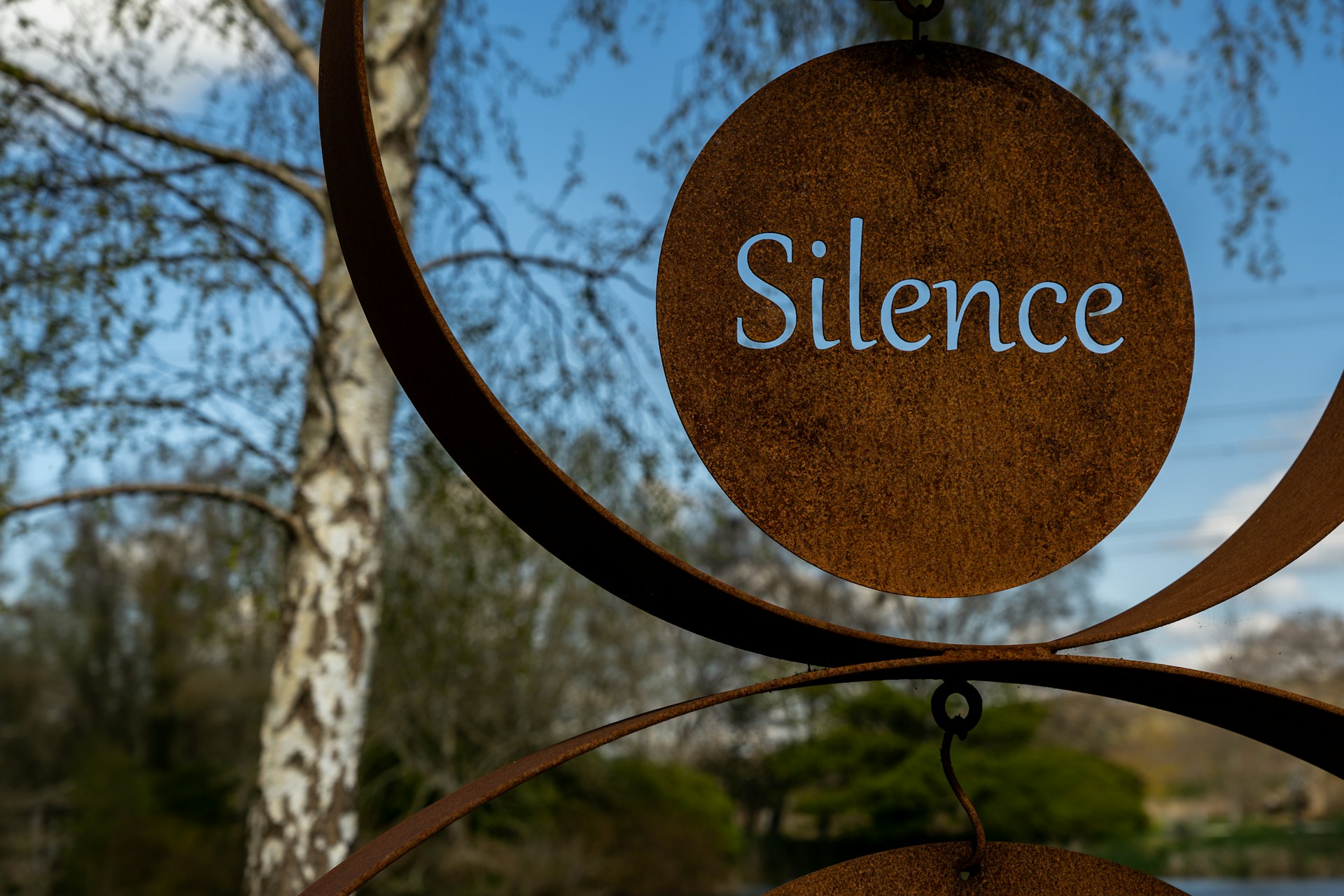
This op-ed examines the systemic misuse of nondisclosure agreements (NDAs) and their role in suppressing accounts of sexual misconduct, discrimination, and harassment. It argues that while current legislation like the Speak Out Act provides some protection, significant legal loopholes remain that allow corporations to coerce traumatized individuals into perpetual silence. Ultimately, the piece advocates for a total ban on NDAs in cases of misconduct to dismantle existing power imbalances and ensure victims can seek accountability.
Article content
In a world where advocacy can break cycles of injustice, silence is ignorance. In a world where governments swore to hear the voices of the marginalized, silence is hypocrisy. In a world in which a voice means power, silence is oppression when it is forced on the voiceless. The nature of legal agreements and the misuse of nondisclosure clauses have shattered the foundation of justice they were created to protect.
In 2017, the imposed silence of tens of victims was broken when Hollywood producer Harvey Weinstein had a string of sexual assault cases uncovered. The New York Times captured statements from victims that recounted horrifying experiences buried because a single clause in the agreement they signed vaguely prohibited ‘disparaging the image’ of Miramax. When nondisclosure agreements (NDAs) in settlements protected the powerful, it came at the expense of the powerless. A tool meant to protect corporations was silently weaponized, hurting those who were victims of assault, violence, and discrimination.
Corporations and influential individuals have long taken advantage of victims' vulnerabilities. In the film and music industries, these crimes have proliferated; 94% of women in Hollywood have experienced some form of sexual misconduct in the workplace. Higher-ranking individuals prey on others because these fields are controlled by industry perception and networks of recommendation. The legacy of a broken balance of power extends to every part of our society. In 2016, it was Gretchen Carlson at FOX News. In 2022, it was a Canadian woman hurt by eight members of the Hockey Canada League. For every story published, hundreds remain shackled in silence.
In debates about the legality of restrictive anti-disparagement clauses, the primary counterargument revolves around the idea that every employee has a “choice” to sign. However, the coercive context behind every signature is consistently ignored. In the workplace, victims often are not versed in legal jargon and cannot afford a legal team to interpret it. Framed as a sum of money to pursue a better life, companies let hundreds take the fall for their ignorance. For example, some are forced to sign an NDA in days or weeks after an attack when the shock remains fresh. Organizations force individuals to sign agreements that hold them to perpetual silence and weaponize trauma to protect their brand. The shame of societal narratives leaves victims inclined to sign when they cannot fully comprehend the long-term implications. Taking advantage of a traumatized individual to galvanize the best possible outcome for an abuser is the manifestation of a power imbalance that riddles corporate society. Consenting to silence once, in a vulnerable state, should never mean consenting to silence forever.
The lack of legal policy contributes to the construction of a stigma around speaking out, fostering a fear of advocacy rooted in the idea that suffering will be turned and blamed on you. Second, it reinforces the existing power dynamics between victims and abusers or corporations and employees, as they exist in a system where someone’s life can be reduced to a dollar amount. No matter how many zeros corporations write off, one fact remains clear: dignity and accountability are priceless.
In December 2022, President Joe Biden signed the Speak Out Act, preventing restrictive NDAs in sexual harassment cases. This policy was one step forward, but the law only applies to clauses agreed to before the harassment occurred. It precludes most cases where employers coerce victims into signing after an attack and fails to include harassment on account of race, gender, or sexuality. Statistics show that 1 in 4 Black women and 1 in 5 Hispanic women report experiencing workplace harassment, yet they often lack the same legal protections or visibility. In the United Kingdom, progress is even slower. As legislation was passed in the US, then Deputy Prime Minister Dominic Raab mischaracterized NDAs as simply “a confidentiality agreement.” The same systems that have long protected abusers remains intact.
Altering the legal system to ban NDAs in any case of sexual misconduct, discrimination, or harassment is crucial in ensuring that victims can tell their stories and call out those entrenched in unfettered power. A settlement is not enough, and neither is a promise to do better. Take the power back for victims by repealing the witheringly aged permission of settlements that allow companies to insulate themselves from hearing the calls for reform. End the culture of suffocation, dismantle the systems that reinforce coercion, and stand with those who have been let down as they break the silence forced upon them. Speak for those who were silenced.
Acknowledgement
The Institute for Youth in Policy would like to acknowledge Adwaya Yesare for editing this op-ed.


.jpg)
