


.jpg)
.jpg)
.jpg)
.jpg)


.svg)

Gun Restrictions and School Shootings
Capstone Project
In this policy brief, I look at how gun laws in the United States affect school shootings and what can be done to prevent them.
2025 Spring Fellow
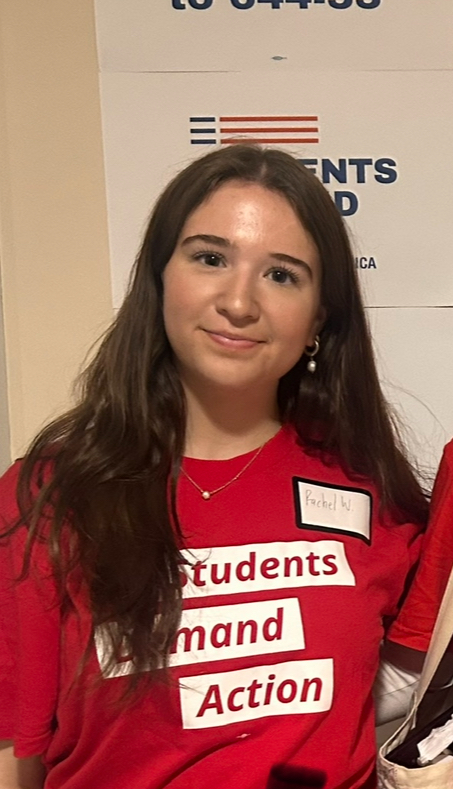
Rachel Weinberg is a student at Whitney Young Magnet High School with a passion for volunteering and ending gun violence. Actively involved in advocacy efforts throughout Chicago, she has worked with organizations such as Chicago Students Demand Action and the National Students Demand Action Organization to address the issue of gun violence. Rachel’s interests lie at the intersection of political science, youth leadership, and community organizing through local and national organizations. Her capstone project reflects a commitment to reducing gun violence and school shootings, creating a safer environment for all students.


.jpg)
.jpg)
.svg)

