.jpg)
.jpg)
.jpg)
.jpg)


.svg)


.svg)
I. Executive summary
On December 13, 2025, a mass shooting at Brown University killed two students and injured nine others, raising concerns about campus safety. This brief places the incident within the context of a national mass shooting crisis and examines its implications on firearm legislation, prevention, and institutional responsibility.
II. Overview
A. Context
Mass shootings have become a persistent and deeply concerning reality in the United States. While definitions vary, many public health and advocacy organizations define a mass shooting as an incident in which four or more individuals are shot. As of December 14, 2025, the United States has experienced 391 mass shootings this year, surpassing the number of days in the year for the seventh consecutive time. Seventy-five of these incidents occurred in educational settings, highlighting the vulnerability of schools and universities to acts of mass violence. There is growing recognition that mass shootings are not isolated or random acts, but are a broader pattern of public safety and public health concern.
Within this national context, Rhode Island stands out as an example of how strong firearm regulations may contribute to lower rates of gun violence. It ranks 13th in the country for gun law strength, the state maintains one of the lowest firearm death rates nationally. Its policy framework includes universal background checks, waiting periods, restrictions on assault-style weapons, and extreme risk protection orders such as measures designed to prioritize prevention and reduce access to high-risk firearms. Still, the events at Brown University serve as a reminder that no policy environment is immune to tragedy, and that continued attention to campus safety remains essential.
B. Background
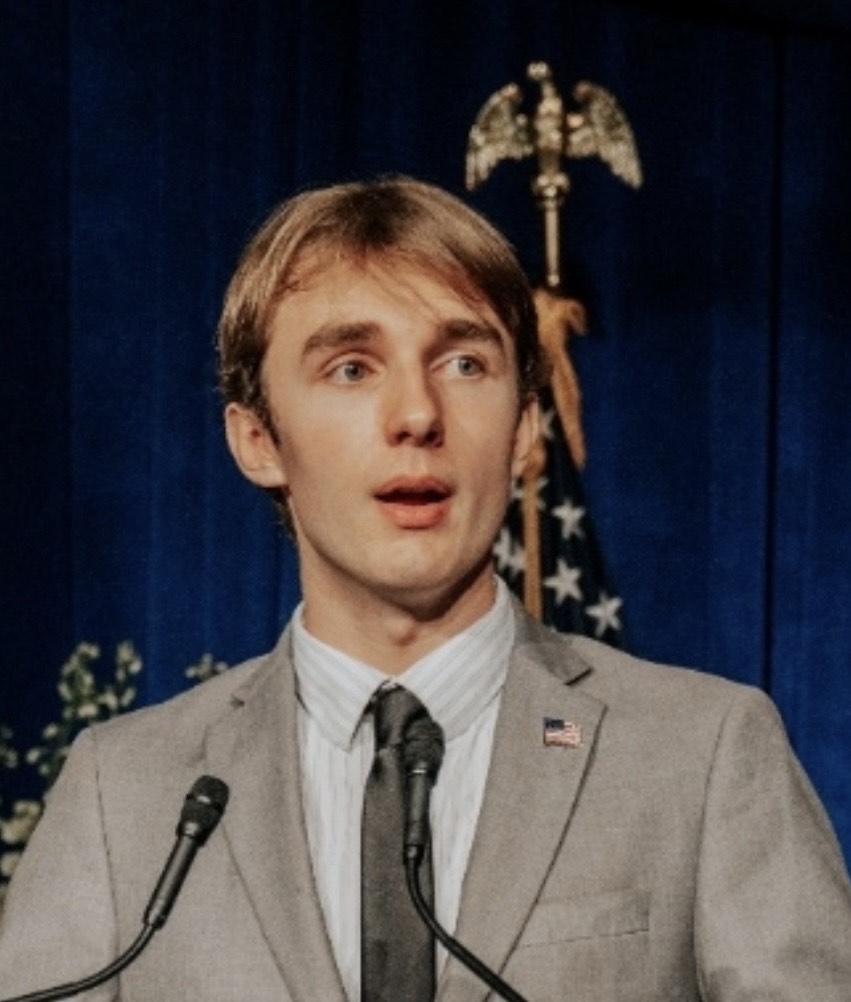
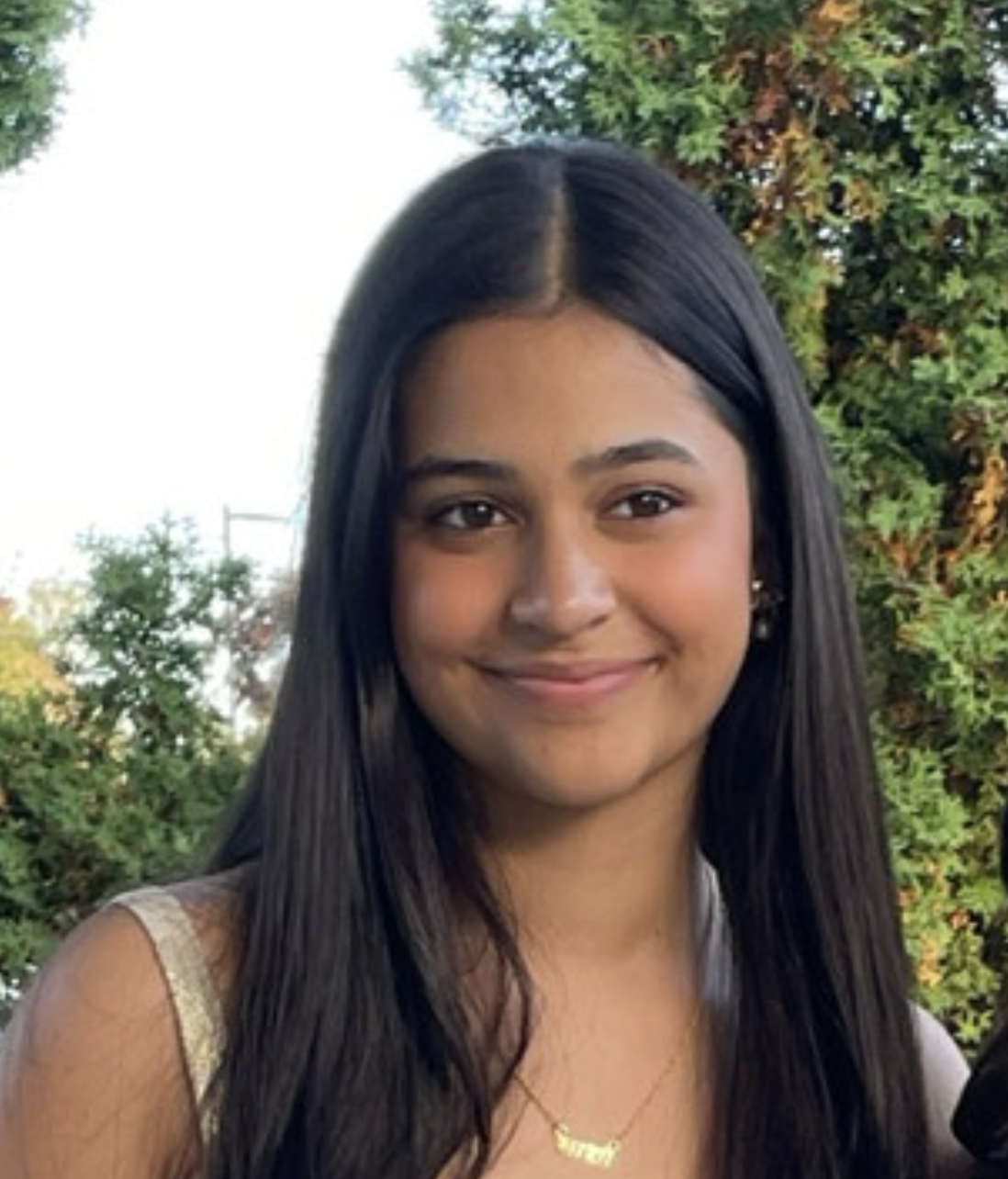
On the evening of Saturday, December 13, 2025, a mass shooting occurred at Brown University in Providence, Rhode Island. The incident took place in a ground-floor classroom of an engineering building during a final exam review session. A gunman entered the room and opened fire, resulting in the deaths of two students and injuries to at least nine others. The two students who lost their lives were Ella Cook, 19, and Mukhammad Aziz Umurzokov, 18. Ella, from Alabama, was vice president of the Brown University College Republicans. She was described as compassionate and grounded. Mukhammad, an aspiring neurosurgeon, was remembered for his intelligence, kindness, and generosity. More than 400 law enforcement officers responded to the scene. The university and nearby neighborhoods were placed on lockdown. The suspect fled before police arrived. A person of interest was briefly detained the next day but later released. The investigation remains ongoing. The shooting prompted the suspension of classes and increased campus security. For many students, the event had a lasting emotional impact and raised renewed concerns about safety in educational spaces.
III. Policy Problem
A. Current Stances
Across the board, calls for policy changes at the local campus level and more broadly have been made. At Brown University, some students cast part of the blame upon the institution itself. Some are signing petitions to urge the administration to implement stronger security. Particular petitions call for requiring ID card swipes to enter university facilities and updating the security camera system, which were particularly absent in the vicinity of the shooting event.
Beyond Brown University and at the federal level, the current presidential administration pinpoints the cause onto faulty immigration systems, on the basis that the suspected Brown University gunman had obtained residency through a lottery visa program.
Additionally, paralleling reactions from other mass shooting events, the Brown University shooting also reignited gun control reform. Two particular Brown students, Mia Tretta and Zoe Weissman had also experienced the Saugus High School and Parkland High School shootings respectively. Both have since taken to social media and interviews to encourage gun control policies, like tighter restrictions on producing ‘ghost guns,’ or guns built from separately bought parts, that they believe would have prevented the campus shootings events they have experienced.
IV. Conclusions
Future gun policy should focus on reducing the risk of violence through evidence-based regulation and prevention strategies. This may include improving the consistency of background checks, addressing gaps in firearm oversight, and supporting policies that encourage responsible ownership. In addition, increased investment in data collection and research can help policymakers better understand patterns of gun-related harm and evaluate the effectiveness of existing laws. By emphasizing prevention, safety, and informed decision-making, future policies can aim to balance public safety concerns with legal and constitutional considerations.
V. References
Graziosi, Graig. “Two Promising Students Killed, Nine Wounded and a False Lead: What We Know about Hunt for Brown University Gunman.” The Independent, December 15, 2025. https://www.the-independent.com/news/world/americas/crime/brown-university-shooting-rhode-island-two-dead-suspect-b2884827.html.
Merrill, Janie Boschma, Curt. “Mass Shootings in the US Fast Facts.” CNN, February 15, 2024. https://www.cnn.com/us/mass-shootings-fast-facts.
Research & Policy, Everytown . “Rhode Island.” Everytown Research & Policy, January 15, 2025. https://everytownresearch.org/rankings/state/rhode-island/.
Wieffering, Helen, Byron Tau, Jennifer McDermott, and Brian Slodysko. “Students, Community Frustrated with Official Response after Brown University Shooting.” PBS, December 16, 2025. https://www.pbs.org/newshour/nation/students-community-frustrated-with-official-response-after-brown-university-shooting.
Ngo, Madeleine, and Miriam Jordan. Trump administration pauses green card lottery after Brown Shooting - The New York Times, December 19, 2025. https://www.nytimes.com/2025/12/19/us/brown-shooting-suspect-diversity-visa-program.html.
Mattise, Jonathan. 2025. “Brown University Shooting Alert Triggers Memories for a High School Shooting Survivor.” AP News. December 14, 2025. https://apnews.com/article/brown-university-shooting-3b44a6886d7fc1b3d8d37fd0a8937ab6.